
 admin
admin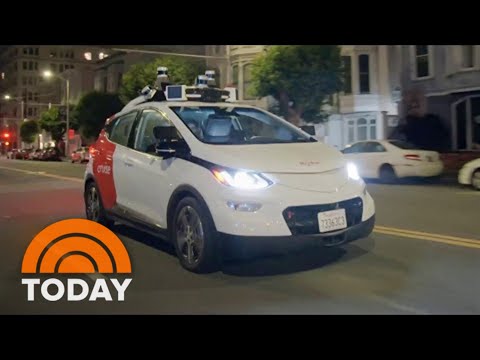
- 24.4K
- 190
- 40
- 0%
As we continue to push the boundaries of technology, one industry that is undergoing a significant transformation is transportation. With the rise of self-driving cars, the way we travel is about to change forever. One company, GM-owned Cruise, is at the forefront of this revolution, aiming to become the first to operate a fully-autonomous robo-taxi service in San Francisco. In this article, we'll delve into the world of self-driving cars and explore whether they are the future of transportation.
The Rise of Autonomous Vehicles
Autonomous vehicles have been in development for several years, with companies like Cruise, Waymo, and Tesla leading the charge. These vehicles use a combination of sensors, GPS, and artificial intelligence to navigate roads and traffic, without the need for human intervention. The benefits of self-driving cars are numerous, including improved safety, reduced traffic congestion, and increased mobility for the elderly and disabled.
GM-Owned Cruise: Pioneers in Autonomous Transportation
Cruise, a subsidiary of General Motors, has been working tirelessly to develop and deploy autonomous vehicles. Their goal is to create a fully-autonomous robo-taxi service in San Francisco, which would allow passengers to hail a ride using a mobile app, without the need for a human driver. This service would not only revolutionize the way we travel but also provide a unique opportunity for people to experience the latest in autonomous technology.
The Benefits of Self-Driving Cars
So, what are the benefits of self-driving cars? For one, they have the potential to significantly reduce the number of accidents on the road. According to the National Highway Traffic Safety Administration (NHTSA), human error is responsible for the majority of accidents, with distracted driving being a major contributor. Self-driving cars, on the other hand, are designed to be safer and more attentive than human drivers, reducing the risk of accidents.
Real-World Performance
But how do self-driving cars perform in real-world scenarios? Cruise has been testing their autonomous vehicles in San Francisco for several years, with promising results. Their vehicles have been able to navigate complex roads, intersections, and traffic patterns with ease, demonstrating their ability to adapt to different situations. While there have been some setbacks, including a high-profile accident in 2018, Cruise has continued to refine their technology, pushing the boundaries of what is possible with autonomous vehicles.
Strengths and Weaknesses
Like any new technology, self-driving cars have their strengths and weaknesses. One of the major strengths is their ability to improve safety on the road. By reducing the number of accidents and near-misses, self-driving cars have the potential to save countless lives. However, there are also concerns about job displacement, cybersecurity, and the need for significant infrastructure investments.
Pros and Cons
Here are some of the key pros and cons of self-driving cars:
Pros:
Improved safety
Reduced traffic congestion
Increased mobility for the elderly and disabled
Potential for reduced parking needs
Cons:
Job displacement
Cybersecurity risks
Need for significant infrastructure investments
High upfront costs
Alternate Products
Waymo : A subsidiary of Alphabet, Waymo has been testing self-driving cars in Phoenix, Arizona, and has partnered with companies like Uber and Lyft to offer ride-sharing services.
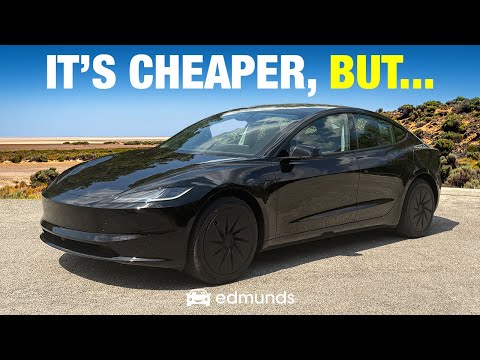
Tesla : While not a traditional automaker, Tesla has been at the forefront of electric vehicles and is now working on autonomous technology. Their vehicles are equipped with advanced sensors and software, allowing them to navigate roads and traffic with ease.
Final Verdict
Self-driving cars are the future of transportation, and companies like Cruise are leading the charge. While there are still challenges to overcome, the benefits of self-driving cars are too great to ignore. With improved safety, reduced traffic congestion, and increased mobility for the elderly and disabled, self-driving cars have the potential to revolutionize the way we travel. As we continue to push the boundaries of technology, it's clear that self-driving cars are here to stay.
Where to Buy
AI Video Analysis – Top Comments
Viewer response is mixed or neutral







Top YouTube Comments
@@wednesdayschild3627
All technology has glitches. It is still coming.
Likes: 0
@@cornellynch730
How are the insurance companies going to make money if no driver is at fault and only the car is at fault
Likes: 0
@@charlesraymondeisen9974
Will they work for people that are vigilant? Or the blind
Likes: 0
@@charlesraymondeisen9974
Do they work in cold weather, winter time, snow? No.
Likes: 2
@@JohnB-we7ym
We re in the mid 80s of cell phones.
Likes: 0
@@SeaJay_Oceans
It’s Software driving cars, not self-driving… so easily hacked and crashed into any wall or sidewalk. Not a good idea to trust your family’s life to a computer.
Likes: 1
@@SuperStargazer666
So taxi drivers/driving instructors will soon be out of work.
Likes: 0
@@leonardbrinkman4410
How long will a steering wheel and pedals argon? Well that remains to be seen because we don’t know when that’s going to happen so I think we need to wait for that to happen first before anything else occurs next.
Likes: 1
@@robertlan222
Lol
Likes: 0
@@Hmonks
I like to still be in control of MY car.
Likes: 1