 admin
admin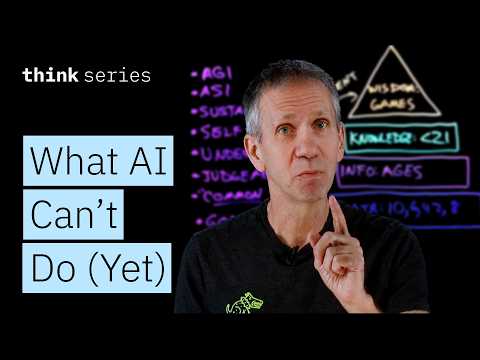
- 352.5K
- 9.9K
- 791
- 0%
The rapid advancements in artificial intelligence (AI) have left us with more questions than answers. As we stand at the threshold of a new era, it's essential to examine the limits of AI and its potential to shape the future. In this article, we'll delve into the realms of generative AI, natural language processing (NLP), and artificial general intelligence (AGI), exploring the milestones achieved and the challenges that lie ahead.
The Evolution of AI
Artificial intelligence has undergone a significant transformation in recent years. From its humble beginnings in the 1950s to the present day, AI has evolved into a sophisticated field that encompasses various sub-disciplines. Generative AI, a subset of machine learning, has emerged as a powerful tool for creating realistic images, videos, and even music. NLP, on the other hand, has enabled machines to understand and generate human-like language, revolutionizing the way we interact with technology.
Generative AI: The Power of Creation
Generative AI has the ability to create novel and original content, such as images, videos, and even music. This technology has far-reaching implications, from art and design to marketing and advertising. However, it also raises questions about authorship and ownership. As AI-generated content becomes increasingly prevalent, it's essential to establish clear guidelines for its use and distribution.
Natural Language Processing: The Language of Machines
NLP has enabled machines to understand and generate human-like language, enabling us to interact with technology in a more natural and intuitive way. From virtual assistants to chatbots, NLP has transformed the way we communicate with machines. However, it also raises concerns about the potential for AI-generated misinformation and the need for robust fact-checking mechanisms.
Artificial General Intelligence: The Holy Grail of AI
Artificial general intelligence (AGI) is the ultimate goal of AI research, aimed at creating machines that can perform any intellectual task that humans can. AGI would enable machines to learn, reason, and apply knowledge in a wide range of domains, revolutionizing industries and transforming the way we live and work. However, achieving AGI is a daunting task, requiring significant advances in areas such as reasoning, creativity, and common sense.
The Challenges Ahead
While AI has made tremendous progress, it still faces significant challenges. Hallucinations, a phenomenon in which AI systems generate incorrect or irrelevant information, remain a major concern. Sustainability, the ability of AI systems to operate efficiently and effectively over time, is another critical issue. Furthermore, the need for robust explainability and transparency in AI decision-making processes is becoming increasingly important.
The Future of AI
As AI continues to evolve, it's essential to consider its role in shaping the future. Will AI augment human capabilities or replace them? Will AI create new opportunities or exacerbate existing inequalities? The answers to these questions will depend on our ability to design and develop AI systems that are transparent, explainable, and accountable.
Conclusion
The uncharted territory of artificial intelligence presents both opportunities and challenges. As we navigate this complex landscape, it's essential to consider the limits of AI and its potential to shape the future. By examining the frontiers of generative AI, NLP, and AGI, we can better understand the milestones achieved and the challenges that lie ahead. As we move forward, it's crucial to prioritize transparency, explainability, and accountability in AI decision-making processes, ensuring that AI is developed and deployed in ways that benefit humanity as a whole.
Alternate Products
Final Verdict
As AI continues to evolve, it's essential to prioritize transparency, explainability, and accountability in AI decision-making processes. By examining the frontiers of generative AI, NLP, and AGI, we can better understand the milestones achieved and the challenges that lie ahead. As we move forward, it's crucial to ensure that AI is developed and deployed in ways that benefit humanity as a whole.