
 admin
admin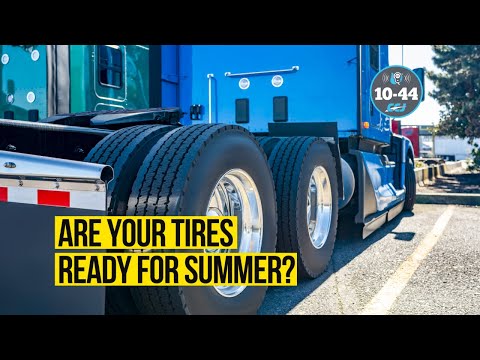
- 1.2K
- 27
- 1
- 0%
As the summer months approach, truck drivers and fleet managers must be aware of the potential dangers of heat on truck tires. High temperatures can cause tire inflation levels to drop, leading to reduced tire life and increased risk of blowouts. In this article, we will explore the impact of heat on tires, provide tips on how to manage tire pressure, and discuss the signs of worn-out tires.
The Enemy of Tires: Heat
Heat is the number one enemy of tires, and it's essential to understand why. When tires are exposed to high temperatures, the air inside the tire expands and the tire's internal pressure increases. This can cause the tire to overheat, leading to a blowout. Additionally, heat can cause the tire's rubber to degrade, reducing its lifespan and increasing the risk of a blowout.
How Heat Destroys Tires
The heat from the sun can cause the tire's sidewalls to become brittle, making them more susceptible to damage. When a tire is exposed to high temperatures, the rubber can become soft and pliable, allowing it to stretch and deform. This can cause the tire to lose its shape and become misshapen, leading to uneven wear and reduced tire life.
The Importance of Tire Pressure Management Systems (TPMS)
Tire pressure management systems (TPMS) are designed to monitor the tire's internal pressure and alert the driver if it falls below a certain level. This can help prevent tire blowouts and reduce the risk of a tire going flat. TPMS systems can also provide real-time data on tire pressure, allowing drivers to make adjustments as needed.
Regular PSI Checkups
Regular tire pressure checkups are essential to maintaining safe and efficient tire performance. Drivers should check their tire pressure at least once a week, and before long trips. It's also essential to check the tire pressure after a tire has been driven for an extended period, as the temperature can cause the tire's pressure to change.
Signs a Tire Should be Removed from Service
There are several signs that a tire should be removed from service. These include:
Uneven wear: If the tire is showing uneven wear, it's essential to have it inspected by a professional.
Cracks in the sidewall: If the tire has cracks in the sidewall, it's essential to have it replaced immediately.
Bulges or blisters: If the tire has bulges or blisters, it's essential to have it replaced immediately.
Vibration: If the tire is vibrating excessively, it's essential to have it inspected by a professional.
When the Tire is Worn Out
A tire is considered worn out when it has reached the end of its lifespan. This can be determined by checking the tire's tread depth and looking for signs of wear. If the tire is worn out, it's essential to replace it with a new one to ensure safe and efficient tire performance.
Valve Stems and Flow-Through Caps
Valve stems and flow-through caps are essential components of a tire. Valve stems provide a secure connection between the tire and the wheel, while flow-through caps prevent moisture and debris from entering the tire. It's essential to ensure that the valve stem and flow-through cap are properly secured to prevent leaks and ensure safe and efficient tire performance.
Alternate Products
Tire pressure monitoring systems (TPMS) from companies like Snap-on and CAT
Tire inflation systems from companies like Tire Pressure Monitor and Inflatable Tire Sealant
Tire maintenance software from companies like Fleet Complete and Teletrac Navman
Final Verdict
In conclusion, heat is a significant enemy of truck tires, and it's essential to take steps to protect them. Regular tire pressure checkups, using TPMS, and replacing worn-out tires can help prevent blowouts and reduce the risk of a tire going flat. By following these tips and using alternative products, truck drivers and fleet managers can maintain their tires, reduce costs, and increase the lifespan of their tires.