 admin
admin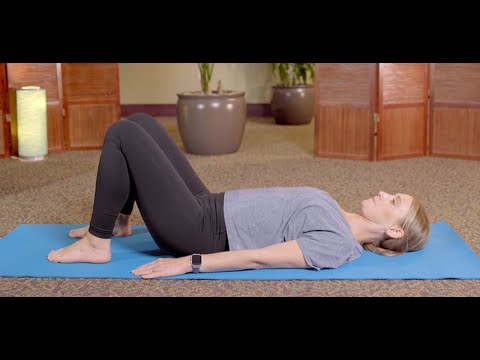
- 304.7K
- 2.9K
- 30
- 0%
As a new mother, it's essential to prioritize your physical and emotional well-being after childbirth. One critical aspect of postpartum recovery is rebuilding your core strength, which can be challenging due to the significant changes that occur in your body during pregnancy and delivery. A physical therapist's guidance can be invaluable in helping you navigate this process safely and effectively.
According to Anna Grant, a physical therapist at Sharp Mary Birch Hospital for Women & Newborns, it's crucial to listen to your body and return to exercise gradually. This means monitoring yourself for symptoms and modifying your activity if you experience any signs of exercise intolerance.
The journey to restoring your core strength after pregnancy can be divided into several phases, each with its unique set of exercises and intensity levels. Understanding these phases and adhering to them will help you regain your strength and confidence in a safe and sustainable manner.
Phase 1: Initial Recovery (First Several Weeks Postpartum)
The first few weeks after giving birth are crucial for your body's initial recovery. It's essential to focus on gentle exercises that promote blood flow and help your body heal. Some recommended exercises during this phase include:
Short walks to promote blood flow and prevent blood clots
Gentle core exercises such as Kegels and the drawing in maneuver, which target the pelvic floor muscles and help improve bladder control
These exercises may seem simple, but they lay the foundation for your core strength recovery. It's essential to perform them consistently and listen to your body's response.
Phase 2: Building Foundation (6 to 8 Weeks Postpartum)
As you progress, you can gradually introduce more exercises to your routine. At this stage, it's essential to focus on low-impact strengthening activities that target your core muscles without putting excessive strain on your body. Some recommended exercises during this phase include:
Gentle, low-impact strengthening such as the clam or bridge exercises
Low-intensity water exercise, which is safe as long as you are no longer experiencing vaginal bleeding
These exercises will help you build a solid foundation for your core strength and prepare your body for more intense activities in the future.
Phase 3: Increasing Intensity (8 to 12 Weeks Postpartum)
As your body becomes more comfortable with exercise, you can gradually increase the intensity of your workouts. At this stage, it's essential to introduce light weight training to challenge your core muscles and promote further strengthening. Some recommended exercises during this phase include:
Light weight training, which can help you build strength and endurance
Progressive exercises that challenge your core muscles, such as planks and sit-ups
However, it's essential to remember that every body is different, and you should only progress at a pace that feels comfortable for you.
Phase 4: Advanced Strengthening (4 to 6 Months Postpartum)
At this stage, you can safely return to more intense exercises such as running, jumping, planks, and sit-ups. However, it's essential to remember that your core muscles may still be recovering from the stresses of pregnancy and delivery. It's crucial to listen to your body and only progress at a pace that feels comfortable for you.
Monitoring Your Progress
As you progress through these phases, it's essential to monitor your body closely for any signs of exercise intolerance or discomfort. If you experience any of the following symptoms, contact your OBGYN for guidance or consider seeking the help of a pelvic physical therapist:
New or worsening pain anywhere in your body
Increased vaginal bleeding
Urinary or fecal leaking
Heaviness in your vaginal region
Bulging, or a ridge along the midline of the abdomen
C-section scar soreness that lasts longer than 2 weeks after birth
Alternate Products
Pelvic floor physical therapy : A specialized form of physical therapy that targets the muscles in your pelvic floor, helping to improve bladder control and overall core strength.
Postpartum support groups : Joining a support group can provide you with a sense of community and connection, helping you navigate the challenges of postpartum recovery.
Postpartum recovery apps : Utilize apps that offer guided exercises and support to help you track your progress and stay motivated.
Final Verdict
Restoring your core strength after pregnancy requires patience, dedication, and a gradual approach. By understanding the different phases of recovery and following a safe and effective exercise plan, you can regain your strength and confidence in a sustainable manner. Remember to listen to your body and only progress at a pace that feels comfortable for you. With time and effort, you can achieve a strong and healthy core that will serve you well for years to come.