 admin
admin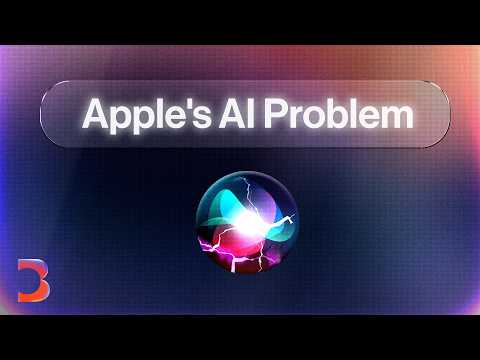
- 505.6K
- 8.3K
- 629
- 0%
As the tech world continues to grapple with the rapidly evolving landscape of artificial intelligence, one company stands out as a notable laggard: Apple. For years, the Cupertino-based giant has dominated the consumer tech scene with its sleek designs, user-friendly interfaces, and seamless integration. However, when it comes to AI, Apple has been playing catch-up, and its efforts have been marked by a series of missteps.
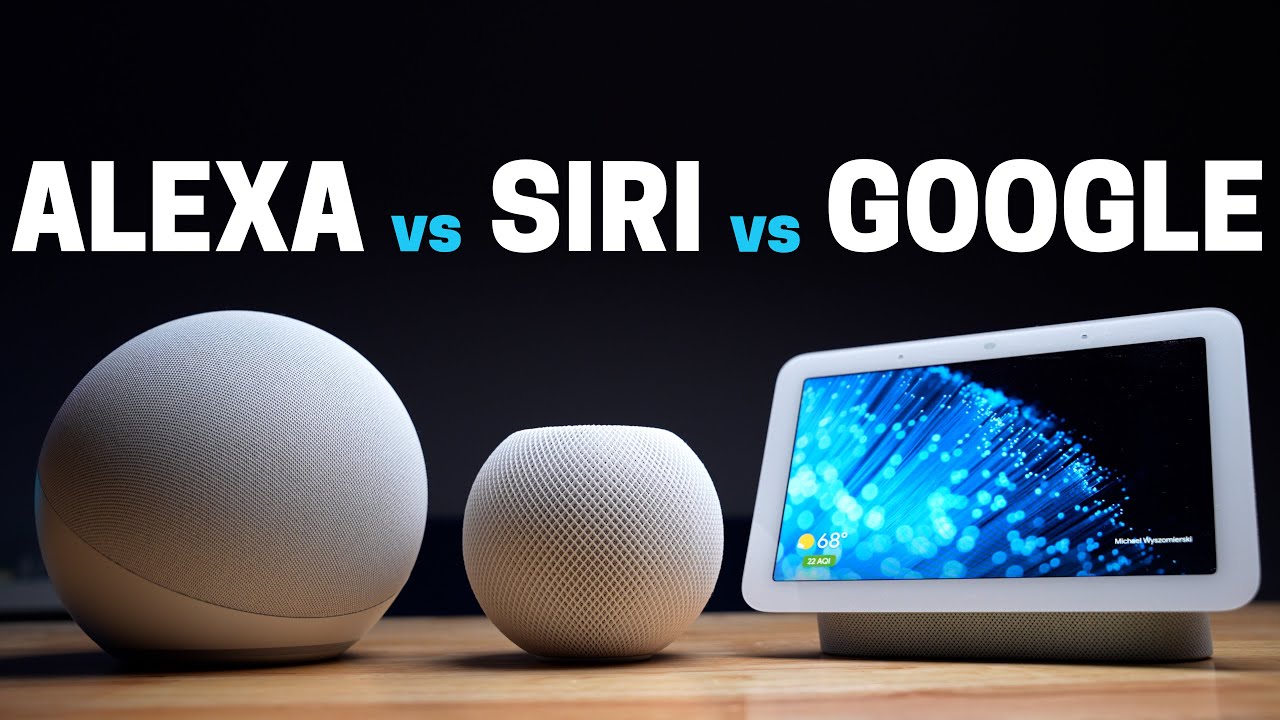
The roots of Apple's AI woes can be traced back to its early days, when the company invested heavily in Siri, its virtual assistant. Initially released in 2011, Siri was hailed as a groundbreaking innovation that would revolutionize the way people interacted with their devices. However, as the years went by, Siri failed to live up to its promise, struggling to keep pace with the likes of Google Assistant and Amazon Alexa. The reasons for this are complex, but one major factor was Apple's reluctance to invest heavily in AI research and development.
The AI landscape began to shift dramatically in 2020, when OpenAI's ChatGPT burst onto the scene, showcasing a level of conversational intelligence that left many in the industry stunned. Suddenly, the world was talking about the potential of generative AI, and Apple found itself facing a daunting reality: it was behind the curve. While rivals like Google, Microsoft, and Amazon were pouring billions of dollars into scaling up their AI services, Apple was still struggling to reinvent Siri.
The iPhone 17 event in 2025 marked a turning point for Apple, as the company made modest announcements about its AI plans. However, these efforts were largely seen as too little, too late, and the company's failure to make a more substantial impact was starkly evident. In an effort to regain ground, Apple is now betting on the reinvention of its Siri voice assistant, hoping to bring it into the generative AI age.
So, what went wrong for Apple? One major factor was its focus on short-term gains, prioritizing user experience and design over long-term investment in AI research and development. Additionally, the company's reluctance to adopt a more open and collaborative approach to AI development hindered its ability to keep pace with the likes of Google and Microsoft.
Fixing Siri will not be an easy task, as the company faces a number of challenges. For one, it needs to address the fundamental limitations of its current AI architecture, which is based on a narrow and outdated understanding of natural language processing. Furthermore, Apple must develop a more robust and scalable AI infrastructure, one that can handle the demands of a rapidly changing world.
In the face of these challenges, Apple's efforts to reinvent Siri are a necessary step, but one that requires a fundamental shift in approach. The company needs to be more open to collaboration and innovation, embracing the best practices of the AI community and leveraging the expertise of external partners. Only by doing so can Apple hope to regain its position as a leader in the AI space.
Alternate Products:
Google Assistant: A powerful and versatile virtual assistant that integrates seamlessly with a wide range of devices and services.
Amazon Alexa: A popular and user-friendly voice assistant that offers a vast array of skills and integrations.
Microsoft Cortana: A robust and feature-rich virtual assistant that offers advanced integration with Microsoft Office and other productivity tools.
The road ahead for Apple will be long and arduous, but one thing is clear: the company cannot afford to continue playing catch-up in the AI space. By embracing a more open and collaborative approach to AI development, Apple can begin to close the gap with its rivals and establish itself as a leader in the field. The stakes are high, but the potential rewards are equally great, and only time will tell if Apple can rise to the challenge.
Final Verdict:
Apple's AI conundrum is a cautionary tale of missed opportunities and reinvention. While the company has a long way to go before it can regain its position as a leader in the AI space, its efforts to reinvent Siri offer a glimmer of hope. By embracing a more open and collaborative approach to AI development, Apple can begin to close the gap with its rivals and establish itself as a major player in the field of artificial intelligence.