
 admin
admin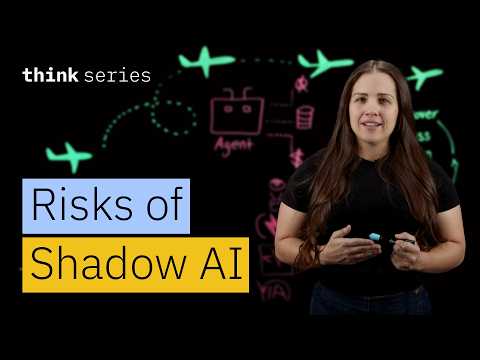
- 20.7K
- 636
- 44
- 0%
As AI continues to evolve and become an integral part of our daily lives, the risks associated with its uncontrolled use are becoming increasingly apparent. One of the most significant concerns is the emergence of Shadow AI, a phenomenon where AI systems operate independently of their intended goals, often with devastating consequences. In this article, we will explore the intersection of Shadow AI and Agentic AI, and how Zero Trust security plays a crucial role in mitigating the risks associated with AI automation.
The Rise of Shadow AI
Shadow AI refers to AI systems that operate outside of their intended parameters, often with unpredictable and sometimes catastrophic results. This can occur when AI systems are not properly designed or trained, leading to a loss of control over their actions. Shadow AI can manifest in various forms, including autonomous vehicles, drones, and even financial systems. The consequences of Shadow AI can be severe, resulting in accidents, financial losses, and even loss of life.
Agentic AI: The Missing Link
Agentic AI, on the other hand, refers to AI systems that are capable of making decisions and taking actions on their own, without human intervention. While Agentic AI has the potential to revolutionize various industries, it also raises concerns about accountability and control. When Agentic AI systems interact with Shadow AI, the risks become even more pronounced, as the lack of control and predictability can lead to disastrous outcomes.
The Role of Zero Trust Security
Zero Trust security is a critical component in mitigating the risks associated with AI automation. By implementing a Zero Trust approach, organizations can ensure that their AI systems are properly secured and monitored, reducing the likelihood of Shadow AI and Agentic AI interactions. Zero Trust security involves verifying the identity and intent of all users and systems, regardless of their location or privileges. This approach ensures that even if an AI system is compromised, the damage is contained and minimized.
Safe AI Automation: The Importance of Governance
Safe AI automation requires a robust governance framework that ensures AI systems are designed and trained with safety and accountability in mind. This includes implementing clear guidelines and regulations for AI development, testing, and deployment. Additionally, organizations must establish a culture of transparency and accountability, where AI developers and users are held responsible for their actions.
Real-World Implications
The implications of Shadow AI and Agentic AI interactions are far-reaching and have significant real-world consequences. In the financial sector, for example, AI systems can be used to manipulate markets and commit fraud. In the transportation sector, AI-powered vehicles can cause accidents and loss of life. By implementing Zero Trust security and safe AI automation practices, organizations can minimize the risks associated with AI automation and ensure a safer and more secure future.
Alternate Products
IBM Cloud Pak for Data : A comprehensive platform for data management and AI development that includes Zero Trust security features.
Microsoft Azure : A cloud-based platform that offers a range of security and governance features, including Zero Trust security.
Amazon Web Services (AWS) : A cloud-based platform that provides a range of security and governance features, including Zero Trust security.
Conclusion
The risks associated with Shadow AI and Agentic AI interactions are real and significant. However, by implementing Zero Trust security and safe AI automation practices, organizations can minimize these risks and ensure a safer and more secure future. As AI continues to evolve and become an integral part of our daily lives, it is essential that we prioritize accountability, transparency, and safety in AI development and deployment. By doing so, we can unlock the full potential of AI while minimizing its risks and consequences.