 admin
admin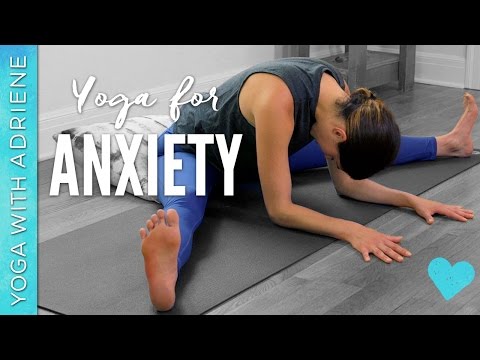
- 4.4M
- 45.5K
- 1.7K
- 0%
As we navigate the complexities of modern life, it's not uncommon to experience feelings of anxiety and overwhelm. Our minds can become consumed by worrisome thoughts, making it challenging to find peace and balance. Yoga offers a powerful tool for managing anxiety, and in this article, we'll explore a 20-minute practice that can help you cultivate inner calm and serenity.
The Power of Yoga for Anxiety
Yoga has been used for centuries to promote physical, mental, and emotional well-being. By combining physical postures, breathing techniques, and meditation, yoga can help reduce stress and anxiety by calming the nervous system and promoting relaxation. In this practice, we'll focus on a series of gentle stretches and movements that can be done from a seated or lying position, making it accessible to anyone, regardless of their physical ability.
Preparing for Practice
Before we begin, it's essential to create a peaceful and comfortable environment. Find a quiet space where you can sit or lie down without distractions. You may want to light some candles or play soothing music to set the tone for your practice. Take a few deep breaths, feeling the air fill your lungs, and exhale slowly, releasing any tension or stress.
The 20-Minute Practice
This practice is divided into three sections, each designed to help you relax and calm your mind and body. Take your time, breathe deeply, and focus on the sensations in your body.
Section 1: Grounding and Centering (5 minutes)
Begin by finding a comfortable seated or lying position with your back supported. Close your eyes and take a few deep breaths, feeling the air fill your lungs. Bring your attention to your breath, noticing the sensation of the air moving in and out of your body. As you inhale, imagine fresh energy entering your body, and as you exhale, imagine any tension or stress leaving your body. Repeat the phrase "I am calm and centered" to yourself, allowing the words to sink deeply into your mind.
Section 2: Stretching and Relaxation (10 minutes)
Gradually move into a series of gentle stretches, starting with your neck and shoulders. Slowly tilt your head to the right, bringing your ear towards your right shoulder, and then back to the starting position. Repeat on the left side. Move down to your arms, shoulders, and chest, stretching each area slowly and carefully. As you stretch, focus on the sensation of your muscles releasing and relaxing.
Section 3: Meditation and Reflection (5 minutes)
Come to a seated or lying position with your eyes closed. Take a few deep breaths, feeling the air fill your lungs. Bring your attention to your breath, noticing the sensation of the air moving in and out of your body. As you inhale, imagine fresh energy entering your body, and as you exhale, imagine any tension or stress leaving your body. Reflect on your practice, noticing any areas of tension or relaxation. Allow yourself to let go of any thoughts or worries, simply being present in the moment.
Alternate Products
If you're interested in exploring other yoga practices for anxiety, consider the following alternatives:
Yin Yoga: A slow-paced, meditative practice that targets the deeper tissues of the body, promoting relaxation and flexibility.
Restorative Yoga: A gentle practice that involves using props to support the body in relaxing postures, promoting deep relaxation and rejuvenation.
Mindfulness Meditation: A practice that involves focusing on the present moment, often through breathing techniques or body scan meditations, to reduce stress and anxiety.
Final Verdict
In conclusion, this 20-minute yoga practice offers a powerful tool for managing anxiety and cultivating inner calm. By combining gentle stretches, breathing techniques, and meditation, you can reduce stress and promote relaxation. Remember to create a peaceful and comfortable environment, take your time, and focus on the sensations in your body. With regular practice, you can develop a greater sense of calm and clarity, navigating life's challenges with greater ease and confidence.