
 admin
admin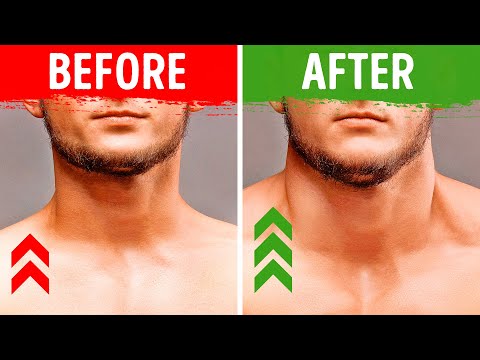
- 3M
- 66.5K
- 748
- 0%
A strong neck is not just a matter of aesthetics; it's a crucial aspect of overall health and fitness. Neglecting neck exercises can lead to discomfort, pain, and even long-term damage. In this article, we'll explore the importance of neck strengthening and provide you with a comprehensive guide to building a robust neck, including 7 essential exercises and expert recommendations.
The Benefits of a Strong Neck
Research has consistently shown that strengthening the neck muscles can have a significant impact on pain relief and overall well-being. In 2008, scientists from the National Research Center for the Working Environment in Copenhagen conducted a study that demonstrated the effectiveness of neck exercises in reducing pain and discomfort. With this knowledge, it's time to prioritize neck strengthening and reap the rewards.
Key Considerations Before Starting Your Neck Workout
Before diving into the exercises, it's essential to understand the importance of caution and moderation. The neck is a delicate area, and overexertion can lead to injury. To avoid this, it's crucial to:
Start with lighter weights and gradually increase the intensity
Warm up your neck before beginning any exercise
Cool down after your workout to prevent strain and promote recovery
The 7 Essential Exercises for Building a Strong Neck
Dumbbell Shrug: A Double-Benefit Exercise
The dumbbell shrug is an excellent exercise for targeting both your shoulders and neck. By incorporating this exercise into your routine, you'll experience a double benefit: improved shoulder strength and a stronger neck. To perform the dumbbell shrug:
Hold a dumbbell in each hand with your palms facing your thighs
Stand with your feet shoulder-width apart and your knees slightly bent
Slowly lift the dumbbells to shoulder height, squeezing your shoulder blades together
Hold for a brief moment before lowering the dumbbells back down to the starting position
Face Down Resistance: A Neck-Specific Exercise
The face down resistance exercise is designed to target your neck specifically. However, it's essential to perform this exercise with caution to avoid injury. To perform face down resistance:
Lie on your stomach with your arms extended overhead and your hands clasped together
Slowly lift your arms and shoulders off the ground, keeping your neck and head in a neutral position
Hold for a brief moment before lowering back down to the starting position
Single-Arm Dumbbell Row: A Multi-Muscle Exercise
The single-arm dumbbell row is an excellent exercise for targeting multiple muscles, including your triceps, shoulders, and back of the neck. To perform the single-arm dumbbell row:
Hold a dumbbell in one hand with your arm extended behind you
Bend your knees slightly and lean forward at the hips
Lift the dumbbell to your side, keeping your elbow close to your body
Hold for a brief moment before lowering the dumbbell back down to the starting position
Lateral Raise: A Multi-Planar Exercise
The lateral raise is an effective exercise for targeting your neck, traps, and shoulders. To perform the lateral raise:
Hold a dumbbell in each hand at shoulder height
Stand with your feet shoulder-width apart and your knees slightly bent
Slowly lift the dumbbells out to the sides, keeping your arms straight
Hold for a brief moment before lowering the dumbbells back down to the starting position
Front Dumbbell Raise: A Multi-Planar Exercise
The front dumbbell raise is an excellent exercise for targeting your front shoulders, traps, and sides of the neck. To perform the front dumbbell raise:
Hold a dumbbell in each hand at shoulder height
Stand with your feet shoulder-width apart and your knees slightly bent
Slowly lift the dumbbells forward, keeping your elbows close to your body
Hold for a brief moment before lowering the dumbbells back down to the starting position
Face Up Resistance: A Multi-Muscle Exercise
The face up resistance exercise is designed to target your traps, deltoid muscles, and back of the neck. To perform face up resistance:
Lie on your back with your arms extended overhead and your hands clasped together
Slowly lift your arms and shoulders off the ground, keeping your neck and head in a neutral position
Hold for a brief moment before lowering back down to the starting position
Reverse Fly: A Secondary Exercise
The reverse fly is an excellent exercise for targeting your rhomboid and deltoid muscles, making your neck and shoulders stronger and more flexible. To perform the reverse fly:
Hold a dumbbell in each hand with your arms extended to the sides and your palms facing your thighs
Stand with your feet shoulder-width apart and your knees slightly bent
Slowly lift the dumbbells out to the sides, keeping your arms straight
Hold for a brief moment before lowering the dumbbells back down to the starting position
Additional Recommendations for a Strong Neck
Incorporate neck exercises into your routine 2-3 times a week
Warm up your neck before beginning any exercise
Cool down after your workout to prevent strain and promote recovery
Combine neck exercises with other workouts, such as arm and shoulder days, or chest and back days
By incorporating these exercises and following the expert recommendations outlined above, you'll be well on your way to building a strong and confident neck. Remember to prioritize caution and moderation, and don't be afraid to seek guidance from a qualified professional if you have any concerns. With time and dedication, you'll be able to enjoy the numerous benefits of a strong neck, including improved posture, reduced pain, and enhanced overall well-being.
Final Verdict
Building a strong neck is a worthwhile investment in your overall health and fitness. By incorporating the 7 essential exercises outlined in this article and following the expert recommendations, you'll be well on your way to achieving a robust and confident neck. Remember to prioritize caution and moderation, and don't be afraid to seek guidance from a qualified professional if you have any concerns. With time and dedication, you'll be able to enjoy the numerous benefits of a strong neck, including improved posture, reduced pain, and enhanced overall well-being.