 admin
admin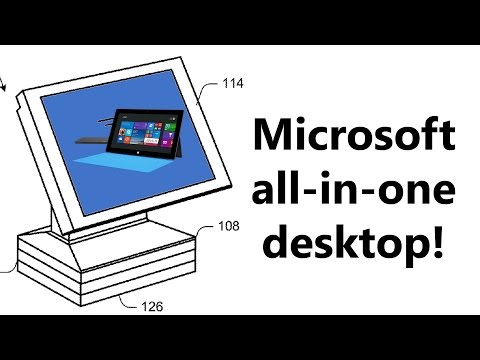
- 4.9K
- 34
- 6
- 0%
Microsoft has been at the forefront of innovation in the tech industry for decades, and the company's latest patent application has left many in the tech community abuzz. The patent, which was originally filed in July 2015, describes a fully modular all-in-one desktop PC that promises to revolutionize the way we upgrade and maintain our computers.
The idea behind this new Microsoft product is simple yet brilliant. The base unit would come with an integrated display, and users would be able to purchase additional modular components that stack on top of the base and connect to it. This would make upgrading individual components as easy as snapping together Lego blocks. The concept is not entirely new, as regular desktops are already modular. However, the traditional approach can be intimidating for consumers who are not tech-savvy. Expansion cards are fragile, and users need to take precautions to avoid electrostatic discharge (ESD). In contrast, the modular PCs would have circuit boards encased in plastic, reducing the risk of damage and making upgrades a breeze.
One of the primary concerns with this concept is compatibility. If the manufacturer doesn't license the connection standard to other companies, it could lead to a monopoly, with hardware being far more expensive than what connects using an open standard like PCI Express. However, if Microsoft were to define the connection protocol, it would be an industry-wide standard, given the company's far-reaching influence in the tech industry.
Other companies have attempted to create modular PCs in the past, but with limited success. The Acer Revo Build, unveiled at the IFA Trade Show in Berlin, uses magnetic pins for each block to snap into place. While the add-on blocks, such as the external hard drive and audio unit, are visually appealing, they are still not available for purchase.
Microsoft's modular all-in-one desktop PC has the potential to address the issues faced by previous attempts at modular computing. An open connection standard, like the one Microsoft could develop, would enable seamless integration with various components from different manufacturers. This would not only make upgrades easier but also foster competition, driving prices down and innovation up.
The benefits of a modular PC extend beyond ease of use and cost-effectiveness. It would also enable users to customize their computers to suit their specific needs, without the hassle of upgrading multiple components individually. For example, a gamer could purchase a high-performance GPU to enhance their gaming experience, while a content creator could add a dedicated video editing component to their PC.
However, there are also potential drawbacks to consider. The initial cost of the base unit and the modular components could be higher than traditional desktops. Additionally, the complexity of the design might lead to issues with heat dissipation, power consumption, and overall performance.
Given the potential of Microsoft's modular all-in-one desktop PC, it's no wonder that rumors are circulating about its release in the company's Surface lineup. While the patent has been available for public viewing, there is no confirmation on when or if the product will hit the market. Nevertheless, the concept has sparked excitement in the tech community, and it will be interesting to see how Microsoft executes this innovative idea.
Alternate Products
If you're interested in exploring modular PC options, here are a few alternatives to consider
HP Envy x360 : A versatile and affordable option for students and commuters, offering a range of customization options.
Lenovo ThinkCentre M90a : A highly customizable PC designed for businesses, featuring a modular design and a range of upgrade options.
Dell XPS 15 : A powerful and feature-rich device designed for professionals, offering a range of customization options and a sleek design.
Final Verdict
Microsoft's modular all-in-one desktop PC has the potential to revolutionize the way we upgrade and maintain our computers. While there are concerns about compatibility and initial cost, the benefits of a modular design are undeniable. With an open connection standard and a focus on customization, Microsoft's product could be the game-changer the tech industry needs. As the company continues to develop and refine this concept, it will be exciting to see how it shapes the future of computing.