 admin
admin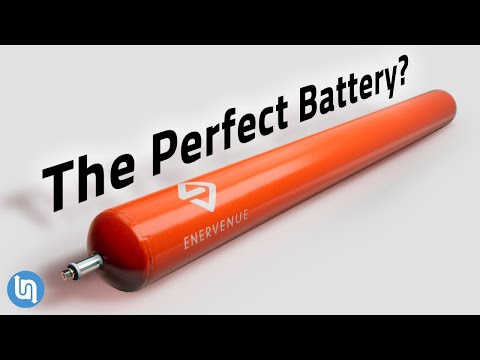
- 2.3M
- 57K
- 2.9K
- 0%
NASA's nickel-hydrogen batteries have been a cornerstone of satellite technology for decades, providing reliable and efficient power to spacecraft. These batteries are so robust that they can last for decades, making them an attractive solution for grid-scale energy storage. EnerVenue, a leading energy storage company, has been backing nickel-hydrogen batteries as the next step forward in energy storage technology. But why haven't we seen a significant adoption of these batteries on Earth until now?
The Limitations of Current Energy Storage Solutions
Traditional energy storage solutions, such as lithium-ion batteries, have been widely adopted in various applications, including electric vehicles and renewable energy systems. However, these batteries have several limitations. They have a relatively short lifespan, typically lasting between 5 to 10 years, and require frequent maintenance to ensure optimal performance. Moreover, lithium-ion batteries are also relatively expensive, making them less accessible to many consumers.
Nickel-Hydrogen Batteries: A Game-Changer in Energy Storage?
Nickel-hydrogen batteries, on the other hand, have been used extensively in satellite technology due to their exceptional durability and reliability. These batteries have been tested in extreme temperatures, radiation, and other harsh environments, demonstrating their ability to withstand even the most challenging conditions. In fact, nickel-hydrogen batteries have been known to last for up to 20 years or more, making them an attractive solution for long-term energy storage.
Advantages of Nickel-Hydrogen Batteries
So, what makes nickel-hydrogen batteries so special? Here are some of the key advantages of these batteries:
Long lifespan: Nickel-hydrogen batteries can last for up to 20 years or more, making them an attractive solution for long-term energy storage.
High reliability: These batteries have been tested in extreme temperatures, radiation, and other harsh environments, demonstrating their ability to withstand even the most challenging conditions.
Low maintenance: Nickel-hydrogen batteries require minimal maintenance, making them an attractive solution for applications where maintenance is a concern.
Cost-effective: Compared to traditional energy storage solutions, nickel-hydrogen batteries are relatively inexpensive, making them more accessible to many consumers.
Real-World Applications of Nickel-Hydrogen Batteries
While nickel-hydrogen batteries have been extensively used in satellite technology, their applications extend far beyond this niche. Here are some potential real-world applications of these batteries:
Grid-scale energy storage: Nickel-hydrogen batteries can be used to store excess energy generated by renewable energy sources, such as solar and wind power, and release it when needed.
Electric vehicles: These batteries can be used to power electric vehicles, providing a reliable and efficient source of energy.
Renewable energy systems: Nickel-hydrogen batteries can be used to store energy generated by renewable energy sources, such as solar and wind power, and release it when needed.
Alternate Products: What's the Competition?
While nickel-hydrogen batteries have several advantages, they are not the only energy storage solution available. Here are some alternative products that offer similar benefits:
Flow batteries: Flow batteries use a liquid electrolyte to store energy, offering a more cost-effective and efficient solution compared to traditional batteries.
Sodium-ion batteries: Sodium-ion batteries use a more abundant and inexpensive material compared to lithium-ion batteries, making them a more accessible solution for many consumers.
Graphene batteries: Graphene batteries use a highly conductive material to store energy, offering a more efficient and durable solution compared to traditional batteries.
Conclusion
Nickel-hydrogen batteries have been a cornerstone of satellite technology for decades, providing reliable and efficient power to spacecraft. These batteries are so robust that they can last for decades, making them an attractive solution for grid-scale energy storage. EnerVenue, a leading energy storage company, has been backing nickel-hydrogen batteries as the next step forward in energy storage technology. With their exceptional durability, reliability, and cost-effectiveness, nickel-hydrogen batteries have the potential to revolutionize the energy storage industry.
Final Verdict
While nickel-hydrogen batteries have several advantages, they are not without their limitations. However, with ongoing research and development, these batteries have the potential to become a game-changer in the energy storage industry. As the world continues to transition towards renewable energy sources, nickel-hydrogen batteries may play a critical role in ensuring a reliable and efficient energy supply.
Where to Buy
AI-Based Analysis of User Comments
Audience Intent Signals
- 🛒 Buying Interest: Very Low
- 🤔 Comparison Questions: Very Low
- 😕 Confusion Level: Very Low
- 👍 Appreciation: Very Low
- 👍 0
- 😐 20
- 👎 0
Viewer Comments
Are Nickel-Hydrogen Batteries the future of energy storage? Go to https://brilliant.org/Undecided/ and get 20% off your subscription and a 30 day free trial with Brilliant.org! NOTE: There's a sync issue you may notice around 5:00. It's a YouTube re-render issue that should be resolved shortly. Sorry about that. If you liked this, check out Is Small, Fast, & Cheap the Future of Nuclear Energy? https://youtu.be/L31px6rQ-vQ?list=PLnTSM-ORSgi4dFnLD9622FK77atWtQVv7
Neutrallol, nasa will never achieve that, for that their philosophy is in stagnation, the future you need to seek in Chinas Technology. They did it with salt water!
NeutralFrom the beginning you mentioned everything: PLATINUM, there is not enough platinum on this planet for anything related to hydrogen batteries to be successful.
Neutral🙂
NeutralMany satelites used nuclear which is more reliable
NeutralY cajonearon el diseño de esas baterias transfirienndo las patentes y diseños a empresas privadas .... porque eran sucios socios de los petroleros Y les importo un comino las perdidas economicas que le causaron a la nasa eeuu y el desastre climatologico apocaliptico Just pay me or died golden gods
NeutralY cajonearon el diseño de esas baterias transfirienndo las patentes y diseños a empresas privadas .... porque eran sucios socios de los petroleros Y les importo un comino las perdidas economicas que le causaron a la nasa eeuu y el desastre climatologico apocaliptico Just pay me or died golden gods
NeutralI was a big fan of this technology but they never got the Kentucky factory up and running. The building is now occupied by Canadian Solar. Does anyone know what happened? 😮
Neutral33PSI is bordering on low pressure warnings in every car I have ever owned, they all recommend a ballpark of 50 and run best at 60. Dunno what junkers you've driven that want your wheels that soft.
NeutralNo rather molten salt batteries. Nickel will be same as as lithium now in china , nobody would want it
NeutralExcelente video con audio en español. Gracias
NeutralThat's great. Now there are 15 different perfect batteries in production.
NeutralNickel? Hydrogen? We've got lots of that stuff.
NeutralPerfect. If these NASA batteries can be thinned to rods, placing one or several of these inside of a household water tank, filling the leftover inside space with an enthalpy heat capturing substrate, surrounded by the elastocaloric-weave graphene battery along the inner circumference of the tank wall, capturing the heating and cooling cycles of an ice sourced heat pump. We can now turn the water tank into the household battery? The ice sourced heat pump takes in municipal drinkable water, the electrical tank makes and stores energy, and the water tank recycles whatever it doesn't use to get re-frozen. Are we building a house or a spaceship???
NeutralWhat's this, a sausage battery?
Neutralanything that uses hydrogen is harmful to the environment.
NeutralI smell punp and dump. Guess who founded that company? The inventor of the miraculous, mysterious catalyst.
NeutralThis entire video could’ve been a 5 minutes video! 🤦🏽♂️ 😂
NeutralWe use lions and frequency because they are everywhere and abundant but human technology can't. Yet zoom your species will be capable and at the moment you are doomed
Neutralfollow ups please.......
NeutralFrequently Asked by Viewers
Q: Are Nickel-Hydrogen Batteries the future of energy storage? Go to https://brilliant.org/Undecided/ and get 20% off your subscription and a 30 day free trial with Brilliant.org!
NOTE: There's a sync issue you may notice around 5:00. It's a YouTube re-render issue that should be resolved shortly. Sorry about that.
If you liked this, check out Is Small, Fast, & Cheap the Future of Nuclear Energy? https://youtu.be/L31px6rQ-vQ?list=PLnTSM-ORSgi4dFnLD9622FK77atWtQVv7
A: This question appears frequently among viewers.
Q: I was a big fan of this technology but they never got the Kentucky factory up and running. The building is now occupied by Canadian Solar. Does anyone know what happened? 😮
A: This question appears frequently among viewers.
Q: Nickel? Hydrogen? We've got lots of that stuff.
A: This question appears frequently among viewers.